 Basket: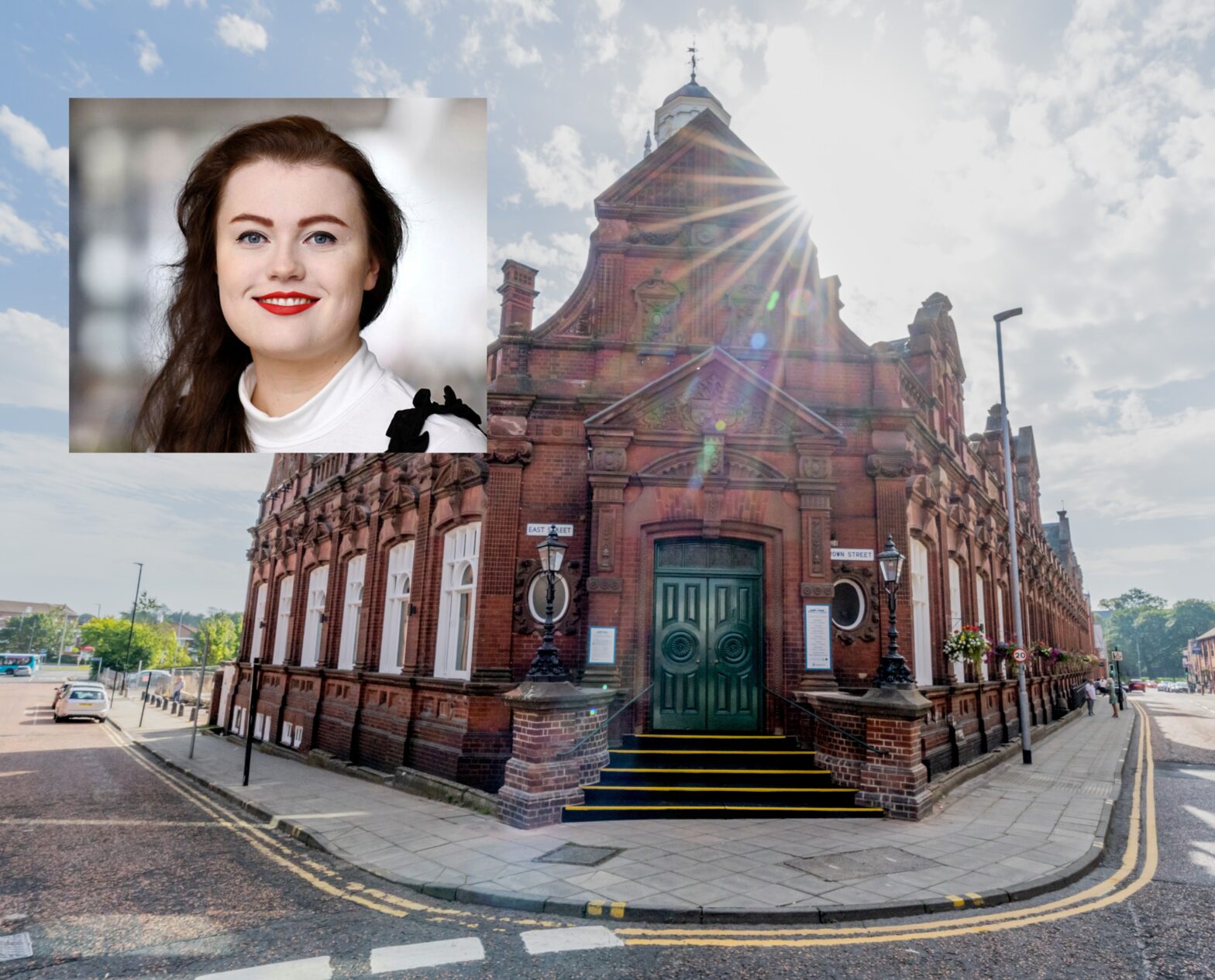
I keep coming back to libraries. I don’t entirely know why when I have piles and piles of books at home. Something about the light, maybe, the flatness of it, the way it falls without drama across tables and spines and other people’s bent heads. Something about the permission to be still.
I have lived in different places, been different versions of myself, and in each place, I have found the library first. Before I knew where anything else was. There is something in that I’ve never quite been able to explain, though I’ve tried. The closest I’ve got is this: a library is the only public space that doesn’t ask anything of you. You don’t have to buy something. You don’t have to perform belonging. You just arrive, and the books are there, and so are you, and that is somehow always enough.
My name is Louise. I’m a writer, an academic, and a tutor in Creative Writing at Teesside University, where I work with MA and undergraduate students on their own writing, fiction, poetry, life writing, the difficult work of finding a form for what we need to say. My most recent book, published by Palgrave Macmillan, explores how Victorian bodies and artefacts continue to be displayed and collected in ways that tell us something uncomfortable about who we think we are. I have poetry coming out later this year which is deeply rooted in the idea of finding the right words to explain experience. I read constantly, compulsively, always gratefully.
I’m telling you this not to establish credentials but because I think it always matters to know who is standing in the room with you, what they carry, where they’ve been. Above everything else, I want you to know something real about me before I ask you to come and read and write with me.
I’ve been thinking a lot lately about the word ‘passion’. We use it about reading as though it’s a fixed quality, you have it or you don’t, something like a blood type. But I don’t think that’s true at all. I think passion is almost always ignited by the encounters we have through life, and sometimes it is there, or fleeting, or missing, for a while. The question isn’t really whether someone loves reading. It’s whether they’ve found their book yet, or their story. Maybe more importantly, whether anyone has helped them look.
That’s what the National Year of Reading’s invitation to ‘Go All In’ means to me. Not a campaign to just read more, though yes, more, but a genuine attempt to help people find the connection between reading and what they already care most about. Their own history, questions. The things they can’t stop thinking about at 2am. Reading isn’t separate from life. It runs directly through it, deeply.
Over the coming months, I’ll be based at Darlington Libraries as Reader in Residence, in partnership with Crossing the Tees Book Festival. To begin with, I’ll be doing what I think any good reader should do when they walk into a new collection: I’ll be exploring. Slowly. Looking for the hidden things, the overlooked things, the quietly extraordinary things that have been sitting on shelves waiting for someone to notice them. I’ll be sharing what I find on social media as I go, so follow along, because I suspect there will be surprises!
After that research phase, I’ll be running sessions open to everyone, readers, writers, people who are neither yet but are curious. We’ll work with reading journals, writing for wellbeing journals, and found writing and ekphrastic responses, ways of writing ‘from’ books rather than just about them. Ways of letting what we read change how we see. Because I truly believe writing and reading are deeply interlinked and I want to show you how.
I believe libraries are one of the last genuinely democratic spaces. Free. Unhurried. A place where people from all places and backgrounds can reach for the same shelf. That feels worth protecting and always worth showing up for.
*Session dates coming soon- follow Crossing the Tees and watch this space.*